
 22 October 2026
Spring protection of winter wheat: first steps after winter
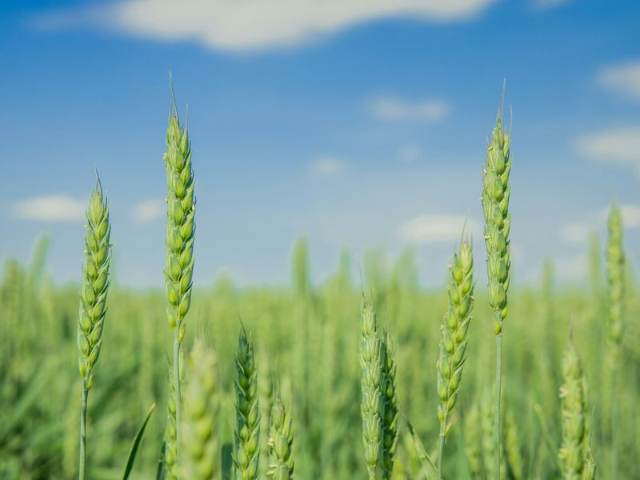
In spring, winter wheat resumes growth and sets productive tillers and ears. Delays with top dressing or herbicide at this time are hard to make up, so it is worth having a plan already in winter.
Assess overwintering
After growth resumes, check plant density and the condition of the tillering node and roots. Top-dressing rates, the need for growth regulators and the intensity of protection depend on this.
Top dressing
Early-spring nitrogen top dressing kicks off growth. With the first applications it makes sense to add micronutrients — manganese, copper, zinc — especially on soils deficient in them.
Herbicide application
- Ideally at tillering, while weeds are small and the crop canopy has not yet closed.
- For broadleaf weeds — combination products based on sulfonylureas, florasulam, 2,4-D and dicamba.
- Against volunteers and grass weeds — special cereal graminicides where there is a problem.
- Consider temperature: many herbicides perform poorly in cold weather.
Plant growth regulators
In intensive crops with high nitrogen, growth regulators reduce the risk of lodging. Application timing depends on the active ingredient — check the label.
The first fungicide
If powdery mildew, septoria or leaf spots develop at stem elongation, the first fungicide application is made. The decision is based on crop scouting and the weather.
We will build your spring plan
We will select a herbicide, growth regulator, fungicide and micronutrients for the condition of your crop. The full program is on the page «Winter wheat protection program».
Important: always check application rates and timings against the product label and the State Register of Pesticides and Agrochemicals of Ukraine. This article is for reference only.