
 22 October 2026
Seed treatment: how to choose a seed treatment for 2027
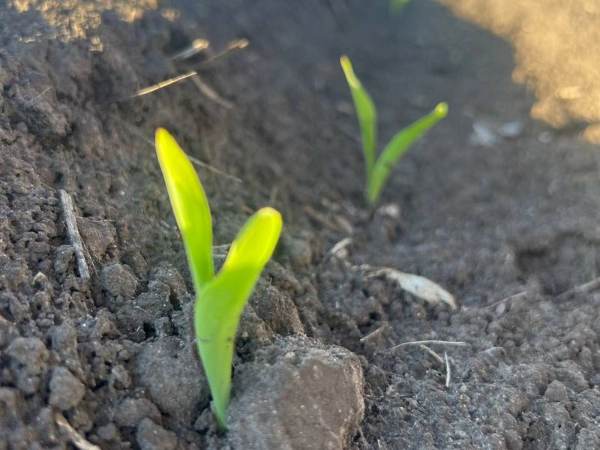
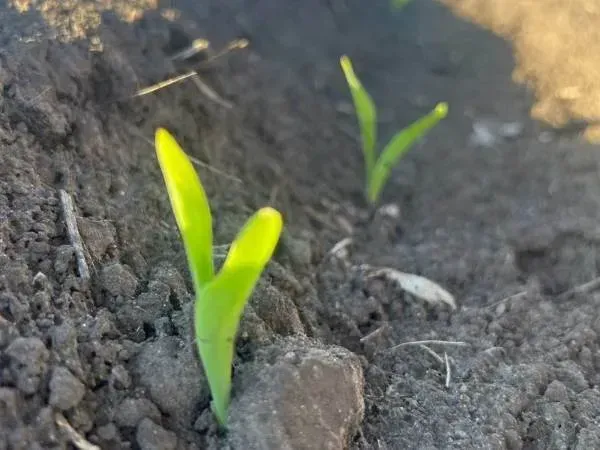
Seed treatment protects seed and seedlings during the most vulnerable period — from sowing to the first few true leaves. Per hectare it is one of the cheapest elements of protection, while a mistake here costs you thin stands and re-sowing.
Types of seed treatments
- Fungicidal — against smuts, root rots, seed moulds and fusarium.
- Insecticidal — against soil and seedling pests: wireworms, cereal ground beetle, flea beetles, aphids.
- Combined — fungicide + insecticide in one product, convenient for fields with multiple problems.
How to choose for your crop
- Winter and spring cereals — protection against smuts and root rots; where seedling pests are a risk, a combined seed treatment.
- Corn and sunflower — protection against moulds and rots, plus an insecticide component in fields with wireworms.
- Rapeseed — protection against diseases and, without fail, against flea beetles at emergence.
What to consider
- Previous crop and field history: which diseases and pests occurred last year.
- Seed condition: damaged and infected seed needs stronger protection.
- Sowing dates: with early sowing into cold soil the risk of rots is higher.
- Compatibility with biologicals and inoculants, if you plan to use them.
Treatment quality
Even the best product will not work if the seed is treated unevenly. Keep to the slurry rate, check that the seed is evenly coloured and do not store treated seed longer than the label allows.
We will select a seed treatment
Tell us the crop, previous crop and field problems — we will select a seed treatment and calculate the quantity for your seed volume.
Important: always check application rates and timings against the product label and the State Register of Pesticides and Agrochemicals of Ukraine. This article is for reference only.