
 20 October 2026
Autumn protection of winter wheat: what to do before winter
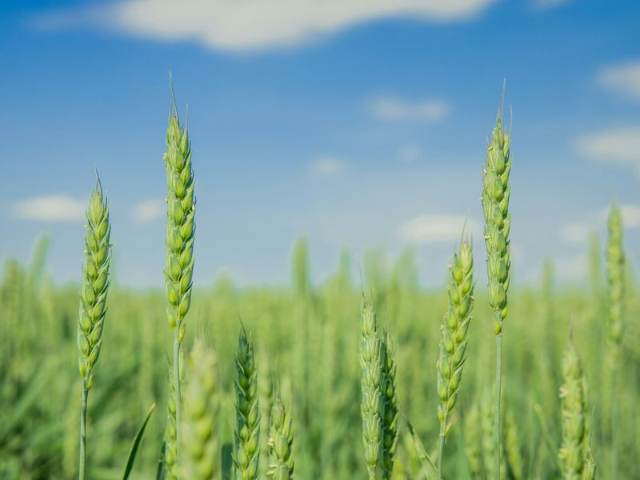
In autumn, winter wheat develops its root system and tillering node — overwintering and the future yield depend on this. Weeds, pests and diseases that develop in autumn weaken plants exactly when they need to build reserves for winter.
Autumn herbicide: when it pays off
Overwintering weeds (cleavers, chamomile, field pansy, volunteer rapeseed, silky bent grass) emerge together with the crop and are already overgrown by spring. An autumn application at early weed stages (2–4 leaves) is usually more effective and cheaper than a spring one. Apply the herbicide in stable warm weather — see the product label for exact temperature and growth-stage requirements.
Seedling pests
- Aphids and leafhoppers — dangerous not only through direct damage but also as vectors of viral diseases.
- Cereal flies — damage the central shoot.
- Inspect crops on warm days: if numbers exceed the economic threshold, apply an insecticide (for example, one based on lambda-cyhalothrin).
Preparing for winter
- Assess plant density and crop condition before growth stops.
- If snow mould occurred in previous years, make sure seed is treated and, if needed, apply fungicide protection.
- In autumn, draw up a spring feeding and protection plan — this helps you buy products on time.
We will help you build a plan
A TD Barosh agronomist will select an autumn herbicide for your weeds and calculate the quantity for your area. And so that spring does not catch you off guard, we will draw up a plan for the 2027 season right away.
Important: always check application rates and timings against the product label and the State Register of Pesticides and Agrochemicals of Ukraine. This article is for reference only.
Full winter wheat protection program →