
 22 October 2026
Weed resistance: why your herbicide stopped working
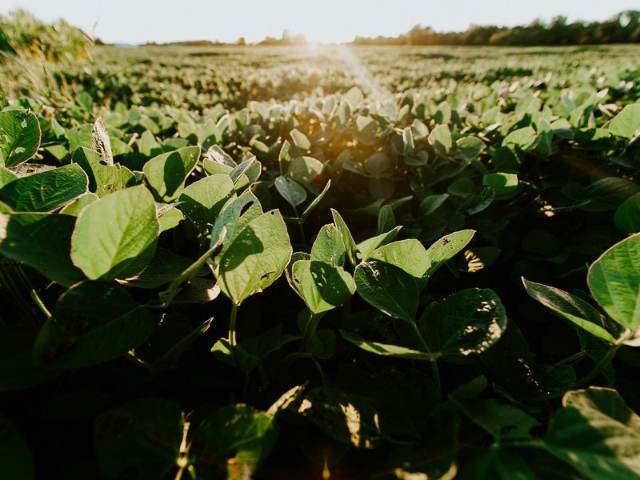
When weeds survive a treatment, the first thought is 'poor-quality product'. In fact there can be several causes — and one of the most serious is resistance, i.e. inherited tolerance of a weed population to a herbicide with a particular mode of action.
First rule out application errors
- The treatment was late — weeds had outgrown the recommended stage.
- Unfavourable weather: heat, cold, drought, or rain right after spraying.
- Hard or contaminated water, wrong spray volume.
- Reduced product rate or poor coverage.
Signs of resistance
- Only one weed species survives while the others are killed.
- Live and dead plants of the same species side by side under the same conditions.
- Problem patches spread from year to year.
- The problem appeared after years of using herbicides with the same mode of action.
Who is at risk
The highest risk is with acetolactate synthase (ALS) inhibitor herbicides (sulfonylureas, imidazolinones), which are widely used on many crops. The risk grows if the same technology is used on the same field for years.
How to prevent it
- Rotate herbicides with different modes of action between applications and seasons.
- Use tank mixes and combination products with several modes of action.
- Apply full recommended rates at the optimal growth stages.
- Combine chemical control with crop rotation and good agronomic practice.
- Do not let surviving weeds set seed.
We will help you plan a rotation
We build programs by active ingredient — this makes it possible to rotate modes of action. Send us your crop rotation and our agronomist will propose a herbicide rotation for 2027.
Important: always check application rates and timings against the product label and the State Register of Pesticides and Agrochemicals of Ukraine. This article is for reference only.